How Do I Keep a Dinner Party Menu Flexible if the Market Selection Changes?
If you’ve ever planned a dinner party based on the bounty from your favorite farmers market—only to find some key ingredients missing when you arrive—you’re not alone. Living in California, with the incredible year-round produce base facilitated by the California Department of Food and Agriculture, it’s tempting to build every menu around what looks perfect that week. But the reality of market fluctuations means you need a plan that’s as flexible as it is delicious.
In this post, I’ll share how I keep menus adaptable in the face of changing market selections, focusing on produce-first planning, menu pacing and phases, and building around seasonal California ingredients. I'll also touch on the idea of incorporating standing bites versus seated courses to keep things lively and stress-free—just like the dynamic experience you might find in a well-run online casino at Mr Q, where live casino formats adjust depending on the crowd's energy. Plus, a peach nectarine salad fun nod to adapting with the times even under the watchful eyes of organizations like the Gambling Commission (Great Britain), emphasizing that structure wins over decoration every time.
Produce-First Planning: Building Your Menu Around What’s Available
The key to a flexible dinner party menu is starting with the star players—seasonal ingredients that define the week’s market haul. This practice is something I recommend to anyone who hosts regularly because it encourages a deeper connection with the produce and keeps the menu authentic.
- Scout Early: Visit the farmers market a day or two ahead of the event to familiarize yourself with what’s shining that week.
- Focus on a Versatile Main: For example, if eggplant is abundant and vibrant, plan a main that revolves around it. But if eggplants fall short, you can pivot to a similar seasonal vegetable or fruit.
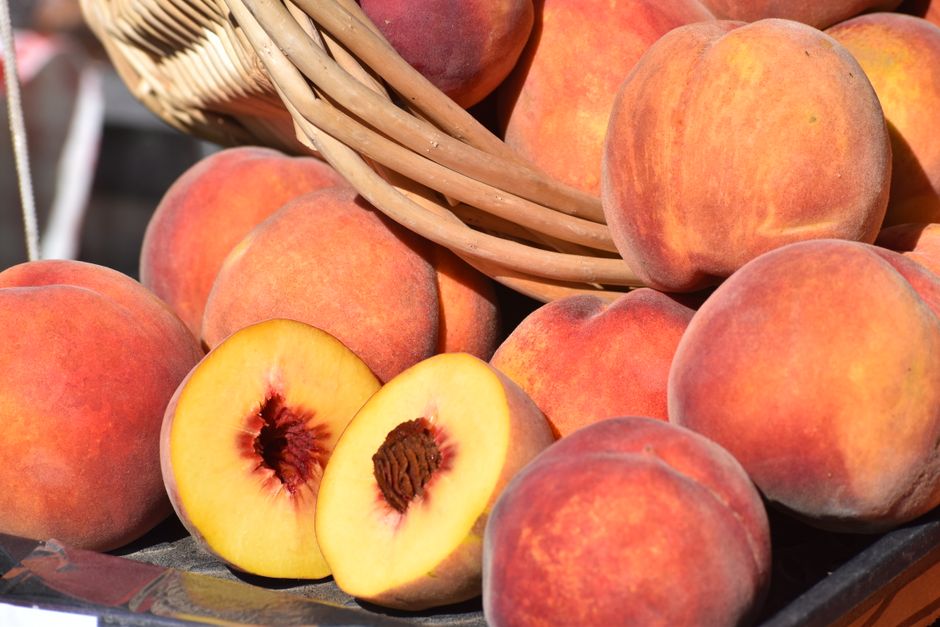
- Learn to Swap Smartly: Sometimes figs don’t make the cut because the stone fruit season has just started to pop up. Swapping figs for stone fruit can keep your dish fresh and in season without losing flavor or sophistication.
This kind of flexibility can make the difference between a fraught cooking day and one where you feel in sync with your environment.

Example: Changing Your Main Based on Eggplant
Planned Main Ingredient Shift Flexible Alternative Why It Works Roasted Eggplant with Za'atar and Tahini Eggplants scarce or poor quality Roasted zucchini or summer squash with similar spices Both vegetables carry a soft texture when roasted and take on spice blends well Grilled Eggplant Stacks Market has an abundance of portobello mushrooms Portobello mushroom stacks with cheese and herbs Provides meaty, umami flavors that mimic eggplant’s heartinessMenu Pacing and Phases: Structure That Supports Flexibility
Often overlooked, the pacing of your dinner party plays a foundational role in managing flexibility. Structure doesn’t mean rigidity; it means designing phases that allow you to adjust while keeping the flow smooth and appetites whetted.
Why Structure Matters More Than Decoration
Decorations may look pretty, but it’s the menu’s architecture—what I call “structure over decoration”—that guests remember most. When your menu is thoughtfully paced, everything feels intentional, even if you switch ingredients or reshuffle courses last minute.
- Start with Standing Bites: These are small, informal nibbles served as people arrive. They set a convivial tone, are easy to swap around, and prevent guests from being ravenous during later courses.
- Move to Seated Courses: Three to four courses ordered to balance flavors, textures, and heaviness.
- End on a Sweet or Fruit-Based Note: Utilizing seasonal California fruits like stone fruit or fresh figs lets you play with dessert options that vary based on the market’s bounty.
This pacing creates natural “breathers” in the evening, giving you space to accommodate any twists without scrambling.
Phases at a Glance
- Welcome and Stand-Up Bites – Light, fun, and interchangeable
- Starter Course – Showcases fresh salads or small warm dishes
- Main Course – Heart of the meal, flexible depending on produce availability
- Dessert or Cheese – Sweet or savory finals highlighting seasonal ingredients
Seasonal California Ingredients: Your Allies for Flexibility
California’s climate gifts us with an astounding diversity throughout the year. Lean on these abundant seasonal treasures to inspire both your initial menu draft and your backup options.
- Spring: Artichokes, fava beans, peas, strawberries
- Summer: Stone fruit (nectarines, apricots, peaches), tomatoes, eggplants, zucchini
- Fall: Figs, squash varieties, persimmons, apples
- Winter: Citrus (oranges, blood oranges, mandarins), root vegetables, kale
When you design your menu to celebrate these ingredients, you’re automatically more flexible. If your figs aren’t market-perfect, swap them with stone fruit, and adjust your course to honor the sweetness and texture differences without losing the dish’s essence.
Standing Bites Versus Seated Courses: Flexibility in Action
Incorporating standing bites on arrival is a technique I’ve honed over nine years of hosting monthly dinner parties. It allows you to:
- Engage Guests Immediately: People mingle and chat without needing to find seats right away.
- Buy Time: While people graze, you can finalize last-minute ingredient swaps or prep for the seated courses.
- Mix Flexibility with Flow: If a component comes up short, you can easily substitute a standing bite without disrupting the whole meal.
For example, if you planned a fresh fig crostini but figs are lacking, switching to a stone fruit bruschetta with ricotta and honey will delight guests just as well.
Keeping It Together: Inspired by the Dynamic Nature of Live Casino Formats
Drawing a parallel to live casino formats—like those found on the online casino at Mr Q—I appreciate how game hosts dynamically adjust to the players, sometimes changing the stakes, pacing, or table setups to keep the flow fun and engaging. Similarly, dinner party hosts benefit from embracing structure with an adaptive mindset.
Just as the Gambling Commission (Great Britain) enforces rules that govern and protect the integrity of games, your internal menu “rules” (like pacing phases and substitutions) guide your party through any uncertainty and keep the experience reliably enjoyable for guests.
Final Thoughts: Embrace Change with Confidence
Menu flexibility is really just confidence in disguise. By starting with what’s best at the market, planning your menu in phases, and giving yourself permission to swap figs for stone fruit or change mains based on eggplant availability, you create a framework where structure empowers creativity.
Whether you’re hosting in Los Angeles or anywhere else California produce shines, your guests will notice your thoughtful pacing, seasonal focus, and friendly spontaneity. The market is your inspiration, but your structure is the foundation.
And if you find yourself needing a quick palate reset after party prep, a quick break with some interactive, live casino formats at Mr Q might just recharge your inspiration.